Cakery Wonderland's 15 Global Afternoon Tea Trends for 2027
October 10, 2026 at 5:51 am,
No comments
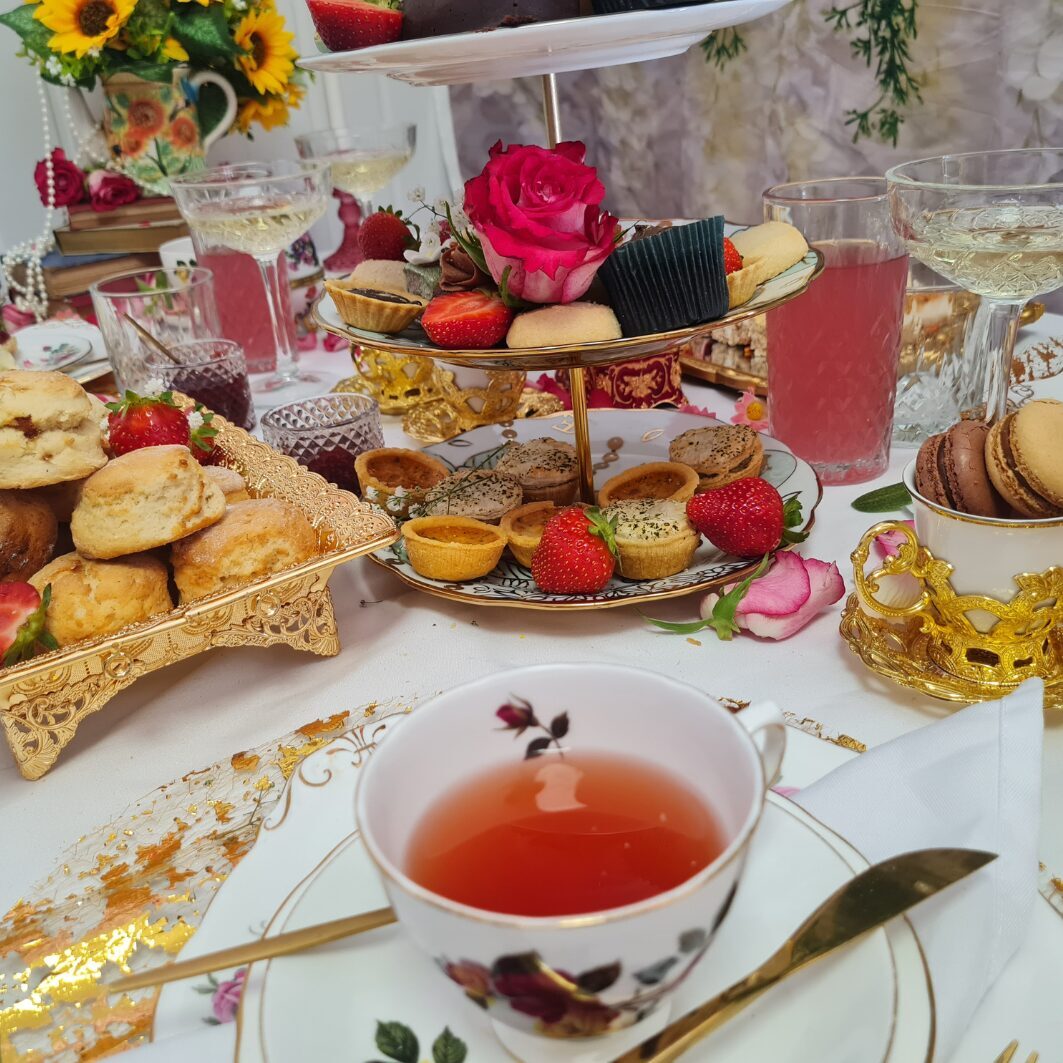
ere is a look at what is driving the future of the tea stand, and what is being left behind.
15 Global Afternoon Tea Trends for 2027
As venues adapt to a younger demographic and changing dietary habits, the classic afternoon tea format is evolving:
-
Mindful Indulgence & The GLP-1 Effect: With the rise of weight-loss medications (GLP-1s) altering eating habits, venues are offering smaller, more nutrient-focused bites and encouraging guests to take cakes to-go rather than over-consuming in one sitting.
-
Theatrical & Experiential Dining: Afternoon tea is no longer just a meal; it is a "memory in the making." Venues are incorporating high drama, immersive storytelling, and heavily themed elements designed for social media sharing.
-
Global Cuisine Authenticity: Traditional finger sandwiches are making way for bold, global flavors. Menus now feature items like Middle Eastern touches, chickpea latkes, tapioca croquettes, and beef bourguignon croissants.
-
Cold Brew Tea Pairings: Driven by Gen Z and Millennials, cold brew tea is becoming a staple. It serves as an endlessly adaptable base for fizzy, spritz-style non-alcoholic pairings.
-
Premium Bread Carriers: There is a renewed interest in bread craft. Standard sliced bread is being replaced by artisanal sourdoughs, milk breads, and premium buns to elevate the savory courses.
-
Functional Beverages: Consumers want drinks that "do something" (promote relaxation or sharpen focus). Expect to see teas and cordials infused with adaptogens and functional botanicals on the menu.
-
Savoury Innovations: The balance is shifting away from purely sweet. Some chefs are completely removing traditional sandwiches in favor of complex, hot, and savory small plates.
-
High-End Non-Alcoholic Pairings: No/low alcohol is no longer an afterthought. Expect complex, culinary mocktails, house-made kombuchas, and seasonal shrubs crafted with the same sophistication as Champagne.
-
Botanical Indulgence: Ingredients like lavender, matcha, and rosemary are being used not just for flavor, but to add an element of naturalness and nostalgic comfort to pastries and teas.
-
Plant-Forward Authenticity: Plant-based options are moving away from heavily processed "faux meats" toward gut-friendly, creative vegetable preparations that stand on their own merit.
-
"Grandmacore" Nostalgia: A return to comforting, retro flavors and classic bakes, reimagined with premium ingredients and modern techniques for a new generation.
-
Visual Instagrammable Layering: Both in drinks and pastry structures, stark, contrasting visual layers are being designed specifically for aesthetic appeal on platforms like TikTok and Instagram.
-
Flexible Formats: Other hospitality sectors are adopting the tea stand. Expect to see concepts like the "Afternoon Sea" (featuring crab and cured salmon) in pubs and seafood restaurants.
-
Proactive Food-Waste Prevention: With rising costs, venues are utilizing AI and monitoring tools in the kitchen to minimize waste, leading to tighter, more hyper-seasonal menus.
-
Transparent Sourcing: Consumers care about origin. Whether it is the tea leaves or the meat used in savory cuts, a clear, ethical sourcing narrative is becoming a baseline expectation.
Closing Out 2026: The 5 Worst Declining Trends
As consumers prioritize authentic flavor and clear value, several previously hyped food and beverage trends have crashed over the past 12 months.
-
"Better-For-You" Alcohol Formats: Hard kombucha (-29.8% YoY), hard tea, and hard seltzer have seen sharp declines in consumer interest. The "pseudo-functional" alcohol narrative has weakened significantly.
-
Viral Pastry Hacks: Gimmicky internet sensations like the "Crookie" (croissant-cookie hybrid, down 43.6%) and the flat croissant failed to become lasting habits and have steepened their decline.
-
Cannabis & CBD Ingredients: Once predicted to take over beverage menus, CBD and Cannabis as food additives are in freefall (down roughly 50% YoY), suffering from a lack of clear culinary payoff.
-
Process-Coded Wellness Substitutions: Highly engineered "replacements" are losing ground to whole foods. Plant milk as a base ingredient (-40.9% YoY) and textured vegetable proteins are being abandoned for natural alternatives.
-
Overplayed "Bowl" Formats: Concepts like the "Buddha Bowl" (-30.9% YoY) and generic vegan bowls have lost their novelty, as diners shift toward more specific, globally authentic flavor
The afternoon tea and broader hospitality sectors are undergoing significant shifts as we transition from 2026 into 2027. Consumer demands are moving away from ultra-processed or gimmick-heavy formats and toward authentic, experiential, and mindful indulgence.